
Effect Pigment Solutions
——R&D, Production, Sales

|
Shen Zhen Esong Technology Co., Ltd. Contact: Miss Cui mobiles: 18926475200 E-mail: 1204047160@qq.com Address: Building B, Kaixin Industrial Park, No. 52, Langyue Road, Tangxiayong Community, Yanluo Street, Baoan District, Shenzhen |
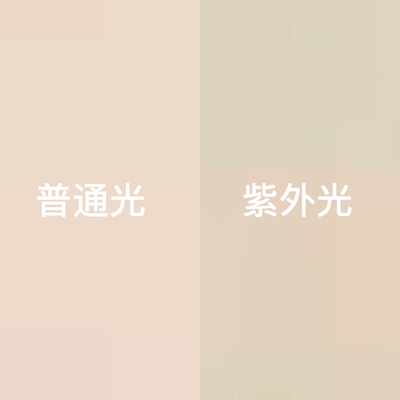
UKG Green
|



mobiles station Wechat QR code
Shenzhen Esong Technology Co., Ltd.
Contact: Miss Cui
mobiles: 18926475200
E-mail: 1204047160@qq.com
Address: Building B, Kaixin Industrial Park, No. 52, Langyue Road, Tangxiayong Community, Yanluo Street, Baoan District, Shenzhen
Pearlescent pigments, color-changing pigments, fluorescent pigments
Main area: Jiangsu, Shandong, Shanghai, Guangdong, Zhejiang, Hebei, Henan, Fujian, Sichuan, Sichuan, Anhui
Record number: Guangdong ICP No. 54622712
©2025 Shenzhen Yisong Technology Co., Ltd. All rights reserved
All articles, contents, pictures and texts on this website are from the